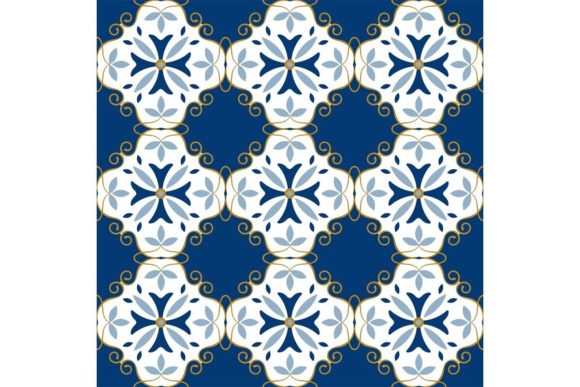
The Enduring Appeal of Moroccan Pattern in Modern Design
In the realm of graphic design and interior decoration, few visual languages possess the depth, history, and versatility of Moroccan Pattern. These intricate designs are not merely decorative flourishes; they represent a sophisticated synthesis of geometric precision, cultural heritage, and artistic expression. For professionals ranging from digital illustrators to interior architects, understanding the nuances of this style is essential for creating work that resonates with authenticity and aesthetic balance.
At its core, a Moroccan pattern is defined by its complexity and symmetry. Unlike many Western design traditions that often prioritize minimalism or singular focal points, this style embraces the "horror vacui" principle—the fear of empty space. Every inch of the canvas or surface is filled with interlocking shapes, arabesques, and tessellations. This density creates a mesmerizing rhythm that draws the eye across the entire composition, encouraging prolonged observation. Whether applied to a high-resolution vector illustration for a website header or used as a texture for a kitchen backsplash, the Mediterranean decorative mosaic quality of these patterns adds an immediate layer of richness and character.
Defining Characteristics and Visual Language
To appreciate the utility of Moroccan Pattern assets, one must first understand their structural DNA. The most recognizable iterations involve the use of star polygons, octagons, and complex interlacing lines that form what is known as girih tiling. In a practical context, such as a decor tile texture tiling seamless pattern, these elements allow for infinite repetition without visible breaks or seams. This continuity is crucial for designers working on large-scale applications like flooring, wallpaper, or full-page web backgrounds where interruptions would ruin the immersion.
The color palette associated with this style often leans towards deep, saturated hues. A classic example includes the blue tiles print motif, reminiscent of the famous Zellige tiles found in Fez and Marrakech. Cobalt blue, turquoise, and azure are frequently paired with white or cream grounds, creating a striking contrast that mimics the natural light of the Mediterranean region. However, the beauty of modern vector representations lies in their flexibility. While traditional ceramics rely on specific glazes, a digital ornamental tiling floor design can be easily adapted to gold, terracotta, or monochromatic schemes to suit diverse brand identities.
Technical Advantages of Vector Formats
When evaluating resources for professional projects, the file format is just as critical as the design itself. High-quality Moroccan Pattern collections are typically distributed as vector files, specifically in formats like EPS10. This technical specification offers distinct advantages over raster images (like JPEGs or PNGs) regarding scalability and editability.
- Resolution Independence: Because vectors are mathematically defined, a Moroccan pattern can be scaled from a small icon to a massive billboard without any loss of clarity or pixelation. This ensures that your project remains crisp regardless of the output medium.
- Editability: As noted in standard product descriptions, if you want to separate elements, remove, or edit something, using a vector editor like Adobe Illustrator is the only effective path. In a raster image, changing a single line might require repainting the whole section. In a vector file, each geometric component is an independent object. You can isolate a specific star shape, recolor it, or delete it entirely to create a custom variation of the original design.
- File Size Efficiency: Vector files often have smaller file sizes compared to high-resolution bitmap images, which improves loading times for web projects while maintaining superior quality.
This level of control transforms a static asset into a dynamic tool. A freelancer building a client's brand identity can take a generic kitchen interior vector illustration featuring Moroccan motifs and tweak the colors to match the client's specific logo palette, ensuring perfect cohesion throughout the marketing materials.
Practical Applications Across Industries
The versatility of Moroccan Pattern extends far beyond traditional crafts. Its application in contemporary design is vast and varied, serving both functional and aesthetic purposes.
Interior Design and Architecture
In the physical world, the influence of this style is undeniable. Architects and interior designers utilize seamless pattern data to generate 3D textures for rendering software. A blue tiles print texture can be mapped onto a virtual wall to visualize a Mediterranean-style bathroom before construction begins. The ability to seamlessly tile these patterns allows designers to simulate entire rooms, providing clients with a realistic preview of how the ornamental details will look under different lighting conditions.
Digital Media and Branding
For marketers and bloggers, background textures play a vital role in setting the mood of a webpage or social media campaign. A subtle Mediterranean decorative mosaic overlay can add depth to a travel blog about North Africa or provide an exotic backdrop for a culinary website specializing in spices and teas. The key here is balance; the pattern should enhance the content without overpowering the text. Using vector layers, designers can adjust the opacity of the Moroccan Pattern to ensure readability while retaining the visual interest.
Fashion and Textile Design
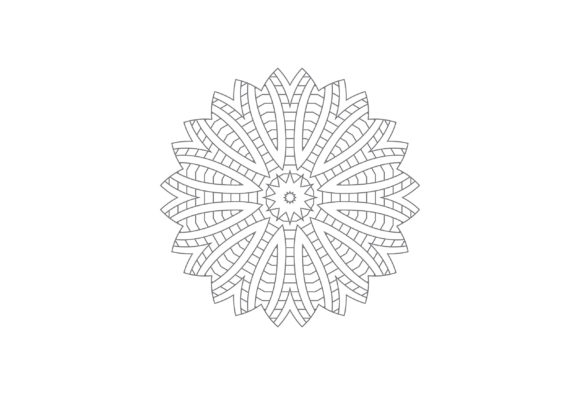
The fashion industry frequently adopts these motifs for fabric prints. The repetitive nature of the geometry makes it ideal for textile manufacturing, where the pattern must align perfectly at the seams of garments. A designer might use a vector file to create a scarf print that features a central medallion surrounded by the characteristic border motifs, leveraging the ornamental tiling capabilities to create a cohesive look.
Evaluating Quality and Usability
Not all digital assets claiming to be Moroccan Pattern designs are created equal. When sourcing these resources, professionals should look for specific indicators of quality. The primary metric is the integrity of the paths. In a well-constructed vector file, the lines should be clean, with no stray anchor points or unnecessary complexity that could slow down editing software.
Consistency and Reliability
A reliable asset will feature a true seamless repeat. If you place two copies of the pattern side by side, the transition should be invisible. This is particularly important for decor tile texture tiling applications. Poorly constructed patterns may show obvious grid lines or mismatched edges, which immediately undermines the professional appearance of the final product. Testing the seamless property before purchasing or integrating the asset into a workflow is a prudent step.
Presentation and Effectiveness
The effectiveness of a Moroccan Pattern also depends on its presentation. Does the design capture the spirit of the original art form? Authenticity matters. Designs that feel too rigid or lack the fluidity of hand-drawn inspiration can appear cheap or mass-produced. The best assets strike a balance between mathematical precision and organic flow, mimicking the craftsmanship of human artisans.
Who Benefits Most from This Style?
The target audience for high-quality Moroccan Pattern resources is broad, yet specific groups find the most value in them.
Small Business Owners and Entrepreneurs
For entrepreneurs launching brands in the home decor, hospitality, or food sectors, these patterns offer a quick way to establish a unique visual identity. Instead of commissioning expensive custom illustrations, a business owner can purchase a versatile vector set, customize the colors, and apply it across packaging, signage, and digital ads.
Creatives and Freelancers
Designers, illustrators, and freelancers benefit from the efficiency these assets provide. Time is money, and having a library of pre-made, editable ornamental tiling floor or wall textures allows them to focus more on the creative direction of the project rather than drawing every geometric line from scratch. The ability to quickly iterate on a design—changing a blue tile to a green one, for instance—accelerates the approval process with clients.
Educators and Publishers
In educational materials, accurate and beautiful visuals are crucial for engagement. Publishers of books on art history, travel guides, or cultural studies can use these patterns to illustrate chapters on Islamic art or North African culture. The clarity of vector graphics ensures that diagrams and illustrations remain sharp when printed in various book sizes.
Navigating Limitations and Considerations
While the benefits are significant, there are limitations to consider. The complexity of Moroccan Pattern designs can sometimes be overwhelming if not used judiciously. In a UI/UX design context, a dense pattern can distract users or make text difficult to read. It requires a skilled hand to integrate these busy textures with whitespace effectively.
Additionally, copyright and usage rights are paramount. When downloading a vector EPS10 file, users must verify the licensing terms. Some assets are intended for personal use only, while others allow for commercial modification. Misunderstanding these terms can lead to legal complications for businesses. Always ensure that the source provides clear documentation on how the Moroccan Pattern can be utilized, especially if the end product involves selling goods or services.
Furthermore, the technical requirement of vector editing software means that access to tools like Adobe Illustrator or compatible alternatives is necessary. For hobbyists who only have basic photo editing tools, the potential of these files may remain untapped unless they learn the basics of vector manipulation.
Conclusion: A Valuable Asset for the Modern Creator
The Moroccan Pattern stands as a testament to the enduring power of geometric art. It bridges the gap between ancient tradition and modern digital capability. For professionals seeking to add depth, cultural resonance, and visual sophistication to their work, these assets offer a robust foundation. Whether used as a blue tiles print for a renovation visualization or as a seamless pattern for a global brand's digital footprint, the value lies in its adaptability and timeless appeal.
By understanding the technical strengths of vector formats and applying these designs with intention, creators can produce work that is not only visually stunning but also functionally effective. The key to success lies in respecting the intricacy of the design while leveraging the flexibility of modern tools to tailor it to specific needs. In a crowded digital landscape, the authentic beauty of a well-executed Mediterranean decorative mosaic can set a project apart, proving that good design is both an art and a science.