Simple Flat Daisy Flower: A Strategic Asset for Modern Design Projects
In the crowded landscape of digital and print media, clarity often wins over complexity. The Simple Flat Daisy Flower represents more than just a botanical illustration; it is a versatile visual tool that communicates freshness, simplicity, and organic growth without overwhelming the viewer. For entrepreneurs, marketers, and creative professionals aged 20 to 50, understanding how to leverage this specific aesthetic can significantly enhance branding, user experience, and overall communication strategy.
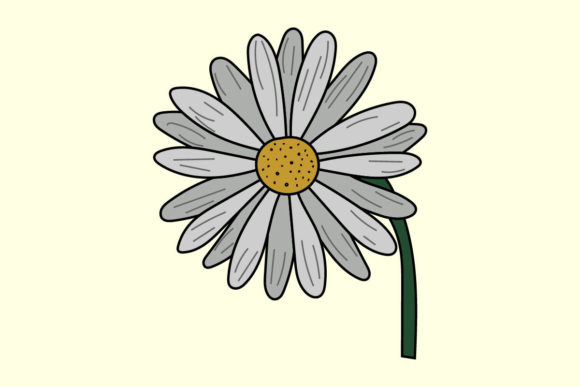
This design element transcends its appearance as a mere daisy or camomile. It serves as a foundational object in botanical design systems, offering a clean vector outline that integrates seamlessly into various contexts. Whether you are developing a brand identity for a wellness startup, creating educational materials for a classroom, or designing seasonal marketing campaigns, the strategic application of the simple flat daisy flower can elevate your project from generic to memorable.
The Strategic Value of Minimalist Floral Imagery
Why choose a minimalist approach when detailed realism is an option? The answer lies in cognitive load and brand perception. In an era where attention spans are short, users scan content rather than reading every word. A simple flat daisy flower acts as an immediate visual cue. Its clean lines, isolated petals, and lack of intricate shading allow the brain to process the image instantly, associating it with concepts like spring, summer, nature, and renewal.
For decision-makers looking to improve customer experience, this style offers distinct advantages. Unlike heavy, textured illustrations that might clash with modern, sleek interfaces, the flat daisy adapts effortlessly to responsive web design. It remains crisp at any size, ensuring that whether displayed on a mobile device or a large billboard, the message remains clear. This scalability makes it an essential component for any professional seeking long-term results in their visual assets.
Furthermore, the white and bright color palette typically associated with these flowers evokes feelings of purity and optimism. When used correctly, this imagery can soften the tone of corporate communications, making a business appear more approachable and human-centric. It bridges the gap between technical precision and emotional connection, a balance that is crucial for effective marketing.
Integrating Daisies into Branding and Identity
Building a cohesive brand requires more than just a logo; it demands a consistent visual language. The simple flat daisy flower is an excellent candidate for establishing this language. Because it is often rendered as a vector object with clean outlines, it can be easily manipulated to fit different brand guidelines while retaining its core identity.
- Logo Design: Incorporating a stylized daisy can suggest growth and community. For small business owners in sectors like gardening, organic food, or education, this symbol reinforces the company's values naturally.
- Pattern Creation: By repeating the floral motif, designers can create subtle backgrounds for websites, packaging, or stationery. These patterns add texture without distracting from the primary content.
- Iconography: The outline of a daisy works perfectly as an icon for features related to nature, eco-friendliness, or new beginnings within an app or software interface.
When planning your brand assets, consider the versatility of the simple flat daisy flower. It pairs well with other elements like leaves, meadow flowers, and sunflower variants, allowing for a rich yet unified botanical theme. This flexibility ensures that your branding remains fresh and relevant as trends evolve, avoiding the stagnation that often plagues static design systems.
Practical Applications Across Industries
The utility of the simple flat daisy flower extends far beyond decorative purposes. Different industries can harness its unique characteristics to achieve specific goals. Understanding these use cases helps professionals make informed decisions about when and how to deploy this asset.
Education and Learning Materials
Educators and publishers often struggle to make learning materials engaging without sacrificing readability. A doodle-style daisy can break up dense text, acting as a visual anchor for students. For biology lessons, a vector representation of a plant allows for accurate labeling of petals and stems. For younger audiences, the friendly, rounded shape of a flat daisy creates a welcoming atmosphere that encourages interaction with the material.
Health, Wellness, and Lifestyle
In the wellness sector, trust and calmness are paramount. The chamomile variant of the daisy is synonymous with relaxation and natural remedies. Using a simple flat daisy flower in brochures, website headers, or product packaging for teas, supplements, or skincare products immediately signals organic quality. It suggests that the product is derived from nature and is free from artificial additives. This visual shorthand saves time in explaining the product's benefits, relying instead on established cultural associations.
Event Planning and Seasonal Marketing
For freelancers and event planners, timing is everything. The daisy is universally recognized as a symbol of spring and early summer. Marketers can use this imagery to launch seasonal promotions, wedding invitations, or garden party flyers. The bloom of the flower mirrors the excitement of a new season, making it a powerful metaphor for growth and celebration. By integrating decorative daisy elements into their designs, professionals can create a sense of urgency and relevance tied to the calendar year.
Design Principles and Decision-Making
While the simple flat daisy flower is highly adaptable, it should not be used randomly. Effective design requires intentionality. Before incorporating this element into a project, ask yourself: Does this image support the core message? Is the style consistent with the rest of the visual hierarchy?
One common pitfall is overuse. Sprinkling daisies everywhere can dilute their impact, turning a meaningful symbol into mere clutter. Instead, treat the flower as a focal point. Use it to highlight key information, such as a call-to-action button, a special offer, or a section header. This strategic placement guides the user's eye and emphasizes what matters most.
Consider the color palette carefully. While the classic white and yellow combination is timeless, adjusting the hues to match your brand colors can create a unique variation. A blue or pink flat daisy can still retain the structural integrity of the original design while offering a fresh take. However, ensure that the contrast remains high enough to maintain readability and accessibility standards.
Another critical consideration is the context of usage. A weed or a wildflower has a different connotation than a cultivated garden flower. Ensure that the specific depiction of the daisy aligns with the narrative you wish to tell. If you are promoting a luxury product, a rough, hand-drawn doodle style might undermine the premium feel. Conversely, for a sustainable, eco-friendly brand, a slightly imperfect, organic line work might be more authentic.
Risks and Mitigation Strategies
No design choice is without risk. The primary danger with using popular assets like the simple flat daisy flower is the potential for genericism. Because these images are widely available, there is a risk that your design will look too similar to competitors' work. To mitigate this, focus on customization. Modify the proportions, combine the daisy with unique typography, or integrate it into a custom pattern that is exclusive to your brand.
Additionally, be mindful of cultural nuances. While generally positive, floral symbols can sometimes carry unintended meanings depending on the target audience. Always test your designs with a representative sample of your audience to ensure the flower resonates as intended. Avoid assuming that a blossom will always be interpreted as "happy" or "fresh"; context is king.
Finally, technical limitations should not be overlooked. Ensure that the vector files you use are optimized for your platform. Low-resolution raster images of a flat daisy can pixelate, ruining the professional appearance of your work. Always start with high-quality source files that allow for scaling without loss of detail.
Maximizing Long-Term Value
Investing in high-quality, strategically chosen design elements pays dividends over time. A well-executed simple flat daisy flower system can become a recognizable part of your brand's visual vocabulary. It builds familiarity, which in turn fosters trust. As you continue to produce content, consistently applying this aesthetic creates a cohesive story that audiences can follow across different channels.
For creators and professionals, mastering the art of the floral illustration is a skill that enhances your portfolio. It demonstrates an ability to balance aesthetics with functionality, a trait highly valued in the industry. By approaching the daisy not just as a decoration but as a strategic communication tool, you position yourself as a thoughtful designer who understands the broader implications of visual choices.
In conclusion, the simple flat daisy flower is a powerful resource for anyone looking to enhance their design projects. From supporting branding efforts to improving user experience, its applications are vast and varied. By using it intentionally, considering the context, and maintaining a commitment to quality, you can transform a simple flower into a catalyst for better results. Whether you are designing for a garden center, a tech startup, or an educational blog, the organic beauty of the daisy offers a timeless solution for modern challenges.