Hand Drawn Cherry Flower Tree: A Strategic Asset for Visual Storytelling and Brand Identity
In a digital landscape saturated with algorithmic perfection and stock photography, the hand drawn cherry flower tree offers a distinct competitive advantage. It is not merely an aesthetic choice; it is a strategic communication tool that bridges the gap between organic nature and structured design. For entrepreneurs, creators, and decision-makers aged 20 to 50, understanding the nuanced value of this imagery is essential for crafting narratives that resonate on a deeper, more human level.
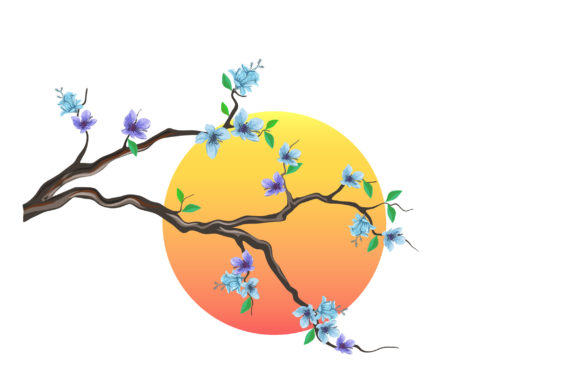
The term often encompasses a wide array of visual attributes: from the delicate pink hues of spring blooms to the stark contrast of black ink against a white background. Whether you are designing a calendar, creating wall art, or developing a brand identity, the hand drawn cherry flower tree vector isolated art provides versatility that mass-produced assets cannot match. This guide explores how to leverage this specific visual element to enhance planning, positioning, and long-term results without falling into the trap of generic decoration.
Defining the Strategic Value of Hand Drawn Sakura Imagery
When we speak of a hand drawn cherry flower tree, we refer to an illustration that captures the essence of sakura through intentional artistic strokes rather than mechanical reproduction. Unlike a photograph which freezes a moment in time, a hand-drawn illustration allows for the abstraction of concepts like growth, renewal, and fragility. The inclusion of elements such as roots, trunk, and branches creates a structural metaphor for stability amidst change.
For professionals in marketing and branding, this distinction is critical. A photograph of a cherry blossom might simply signal "spring" or "Japan." However, a hand drawn version allows you to control the narrative. You can emphasize the blue sky, the green leaves, or the pink petals to align with your specific color palette and emotional goals. The ability to create an editable vector file means you can adapt the floral composition to fit various mediums, ensuring consistency across your operations.
This asset supports quality perception. In an era where consumers are increasingly skeptical of AI-generated content, the visible imperfections and human touch of a hand-drawn piece signal authenticity. It suggests that a real person invested time and care into the creation, which translates to trust in the product or service being presented.
Integrating Nature and Design for Operational Goals
The application of hand drawn cherry flower tree illustrations extends far beyond simple decoration. When used strategically, these images can serve as functional components in planning and execution. Consider the role of a calendar or a cover design. These items require immediate visual impact and clarity. A vector isolated art piece featuring a cherry tree provides a focal point that guides the viewer's eye, reducing cognitive load and improving information retention.
- Seasonal Planning: Aligning your business cycles with natural seasons can boost engagement. Using a blossom motif during spring campaigns signals freshness and new beginnings. Conversely, using the bare branch structure in winter contexts can evoke resilience and endurance.
- Brand Positioning: If your brand values nature, growth, or Asian heritage, the cherry flower tree acts as a visual shorthand. It communicates complex ideas instantly, allowing your audience to categorize your brand quickly within their mental framework.
- Creative Productivity: For educators and hobbyists, incorporating decorative elements like leaves and flowers into learning materials or project plans can reduce stress and increase focus. The visual rhythm of a hand-drawn tree mimics the calming patterns found in nature, fostering a conducive environment for deep work.
The printable nature of these assets makes them highly practical for small business owners who need cost-effective solutions for physical collateral. From wall art for office spaces to packaging for artisanal goods, the hand drawn cherry flower tree adapts seamlessly. Its isolated nature ensures it remains legible regardless of the background color, whether it is a stark white, a rich purple, or a deep black.
Navigating Context: When to Use and When to Pause
Strategic implementation requires discernment. While the hand drawn cherry flower tree is versatile, it is not a universal solution. Misalignment between the image and the message can lead to confusion or a dilution of brand authority. Before integrating this asset into your workflow, consider the following decision-making criteria.
Assessing Audience Expectations
Your target demographic dictates the appropriateness of the imagery. While the beauty and natural qualities of the sakura appeal to a broad audience, the tone must match your industry. A law firm might find a pink floral illustration too whimsical unless carefully stylized to appear professional and understated. In contrast, a wellness brand or a creative agency can lean heavily into the organic feel of the garden theme to reinforce their core values.
Avoiding Cultural Dilution
The cherry flower tree holds significant cultural weight in China and Japan. It represents transience, beauty, and the passage of time. Using this imagery without understanding its context can result in superficiality. To avoid this, ensure your usage respects the symbolism. If you are creating a decoration for a cultural event, accuracy is paramount. If you are using it for general design, ensure the style reflects the intended homage rather than appropriation.
Risks of Over-Reliance
One common pitfall is relying on the hand drawn cherry flower tree as a crutch for weak messaging. No amount of beautiful illustration can compensate for a lack of substance in your strategy. If the content surrounding the image is vague, the visual becomes mere clutter. The image should amplify your message, not replace it. Furthermore, overusing seasonal motifs can make a brand look dated once the season passes. Plan your content calendar to rotate these assets intentionally, keeping them fresh and relevant.
Practical Application: From Concept to Execution
To maximize the return on investment for using hand drawn cherry flower tree assets, adopt a systematic approach. Start by defining the specific goal of the visual. Is it to drive sales, educate customers, or build community? Once the objective is clear, select the appropriate variation of the illustration.
Example 1: Editorial and Publishing
For bloggers and publishers, a hand drawn cherry flower tree can serve as a unique header or section divider. By utilizing the various colors available—such as blue accents or green foliage—you can maintain visual interest throughout a long-form article. The isolated nature of the vector allows you to layer text over the image without compromising readability, creating a cohesive cover design for digital issues.
Example 2: Corporate Branding
Small business owners can use the roots and trunk of the tree to symbolize company stability and foundation. Incorporate this into logo variations or internal presentations. The hand drawn style softens the corporate image, making the brand feel more accessible and human-centric. This is particularly effective when communicating about growth strategies or long-term vision.
Example 3: Event and Seasonal Campaigns
Marketers planning a spring launch can utilize the bloom aspect of the tree to signify a new chapter. Create a series of social media graphics where the tree gradually fills with flower blossoms, mirroring the progress of the campaign. The editable format allows for rapid iteration, enabling you to test different color combinations and layouts to see what resonates best with your audience.
Long-Term Impact and Decision-Making
The true power of the hand drawn cherry flower tree lies in its longevity. Trends come and go, but the appreciation for authentic, hand-crafted art remains constant. By investing in high-quality, vector isolated art, you build a library of assets that can be repurposed for years. This reduces the need for constant new acquisitions and streamlines your creative process.
Furthermore, the integration of natural elements like the plant and leaf structures fosters a sense of balance in your digital ecosystem. In a world dominated by rigid grids and sharp angles, the organic curves of a cherry blossom branch offer a necessary counterbalance. This subtle shift can improve user experience (UX) by providing visual relief and encouraging longer engagement times.
Ultimately, the decision to use a hand drawn cherry flower tree should be driven by a desire to communicate values of beauty, resilience, and connection. Whether you are designing a print layout, creating wall art, or developing a seasonal promotion, this asset offers a flexible canvas for your creativity. By approaching it with intentionality and strategic foresight, you transform a simple illustration into a powerful tool for achieving better results and building lasting relationships with your audience.
Remember that the most effective designs are those that serve a purpose. Let the beauty of the sakura inspire your work, but let your strategy guide its application. With careful planning and a clear understanding of your goals, the hand drawn cherry flower tree can become an integral part of your professional toolkit, delivering both aesthetic appeal and tangible value.