1970s Style Museum Picture Frames: Reviving Retro Aesthetics for Modern Design
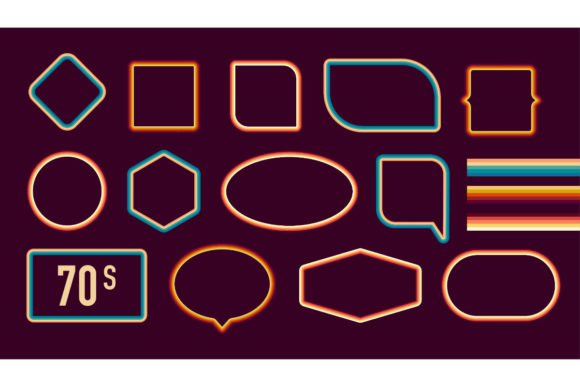
In an era dominated by minimalist interfaces and sterile digital spaces, there is a growing hunger for texture, warmth, and character. This shift has brought 1970s Style Museum Picture Frames back into the spotlight, transforming them from nostalgic curiosities into essential tools for contemporary creators. These frames are not merely decorative borders; they represent a specific cultural moment characterized by bold patterns, organic shapes, and a distinct artistic flair that resonates with today's desire for authenticity.
The resurgence of this aesthetic is more than just a fleeting trend. It reflects a broader movement in design where users crave visual anchors that tell a story. Whether you are a graphic designer curating a portfolio, a blogger designing a featured post, or a business owner refreshing brand materials, incorporating these vintage-inspired elements can add a layer of sophistication that flat, modern designs often lack. The current market preference leans heavily towards "retro-modern" hybrids—designs that honor the past while functioning perfectly in a high-resolution digital workflow.
The Evolution of Vintage Borders in Digital Workflows
Historically, museum frames were physical objects designed to protect and elevate artwork within a gallery setting. However, the concept has evolved significantly as we transitioned from physical galleries to digital screens. Today, the demand for Trendy 1970s, Old Fashioned Artistic Decorative Borders stems from the need to break up monotony in web layouts and social media feeds. As audiences scroll through endless streams of content, a well-crafted frame acts as a visual pause, drawing the eye and signaling importance.
The evolution of this style is evident in how it adapts to various mediums. In the past, reproducing these intricate details required expensive printing presses or hand-painted canvases. Now, vector technology allows us to replicate the grain, the curves, and the subtle imperfections of 1970s art without losing quality. This accessibility has democratized retro design, allowing freelancers and small businesses to compete with large agencies by using assets that convey a premium, curated feel.
Modern workflows require flexibility. A designer might need a border for a high-impact print poster one day and a scalable icon for a mobile app the next. The integration of 1970s Style Museum Picture Frames Vector Set addresses this need by providing assets that maintain their integrity across different scales. This adaptability is crucial for professionals who must deliver consistent branding across diverse platforms without compromising on the artistic vision.
Why the 1970s Aesthetic Resonates Now
The 1970s was a decade of experimentation, breaking away from the rigid geometric forms of the mid-century modern era. Designers embraced earth tones, swirling lines, and complex textures. Today, this same spirit of experimentation is driving user expectations. Consumers are increasingly skeptical of generic templates and mass-produced visuals. They want content that feels human-made and thoughtfully crafted.
This connection is why Old Fashioned Artistic Decorative Borders are seeing such a surge in popularity. They evoke a sense of history and craftsmanship that algorithmic designs cannot mimic. For educators and bloggers, these frames provide a way to contextualize information, making learning materials feel like cherished artifacts rather than disposable data. For entrepreneurs, they offer a unique brand identity that stands out in crowded marketplaces.
The relevance of this style also lies in its emotional impact. The warm, inviting nature of 1970s design creates a psychological sense of comfort and nostalgia. In a fast-paced world, this emotional resonance can be a powerful tool for engagement. When a user encounters a layout framed with these distinctive borders, they subconsciously associate the content with stability and timelessness, increasing the likelihood of interaction and retention.
Practical Applications for Professionals and Creators
For the modern professional, the utility of these assets goes beyond simple decoration. The 1970s Style Museum Picture Frames Vector Set offers tangible benefits for a wide range of creative practices. Let's look at how different roles can leverage these resources to enhance their output.
- Graphic Designers: Use the frames to create cohesive branding packages. Imagine a logo suite where the primary logo is encased in a retro border, instantly establishing a vintage-luxury vibe. The ability to edit these vectors means you can adjust the thickness of the lines or the curvature of the corners to match specific brand guidelines.
- Content Marketers and Bloggers: Incorporate these borders into email newsletters and blog headers. A standard article looks functional, but an article framed with Trendy 1970s elements looks editorial. This distinction can significantly boost click-through rates by making the content appear more exclusive and professionally curated.
- Educators: Create engaging lesson plans and presentation slides. Using these artistic borders can make educational materials feel less like textbooks and more like interactive stories. This approach is particularly effective for younger generations who respond well to visually rich, narrative-driven content.
- Hobbyists and DIY Enthusiasts: Even those outside the professional sphere benefit. Whether creating custom invitations, scrapbooking projects, or home decor, having access to high-quality vector files ensures that personal projects look polished and intentional.
The versatility of these frames extends to the technical specifications provided. With JPG files 300 dpi 3000 pixels, users get print-ready assets that are crisp enough for large-format posters, banners, and merchandise. This resolution ensures that the fine details of the 1970s patterns do not pixelate when scaled up, preserving the artistic integrity of the original design.
Technical Advantages of the Vector Format
One of the most critical aspects of the 1970s Style Museum Picture Frames Vector Set is the inclusion of the Eps 10 Editable file format. Unlike raster images, which lose quality when resized, vector graphics are mathematically defined, allowing for infinite scalability. This feature is indispensable for professionals who work on projects ranging from business cards to billboards.
The editable nature of EPS 10 files empowers users to customize every element. You can change the color palette to match your current brand colors, adjust the line weight to suit a lighter or heavier design language, or even modify the shape of the frame itself. This level of control transforms a static asset into a dynamic component of your design toolkit. It eliminates the need to hire a designer for minor tweaks, saving both time and budget.
Furthermore, the combination of high-resolution JPGs and editable vectors covers all bases for hybrid workflows. You can quickly export a JPG for immediate use in a social media campaign while keeping the vector file for future rebranding efforts. This dual-format approach ensures that your creative assets remain relevant and usable regardless of changing project requirements.
Integrating Retro Elements Without Compromising Modernity
A common concern among designers is whether vintage styles clash with modern sensibilities. The key lies in balance. Successfully integrating Old Fashioned Artistic Decorative Borders requires a thoughtful approach to composition and typography. The goal is to let the frame complement the content, not overpower it.
When using these frames, consider the surrounding whitespace. The 1970s aesthetic often features busy patterns, so it is best to pair them with clean, legible typography and ample negative space. This contrast creates a visual hierarchy that guides the viewer's eye naturally through the content. Avoid cluttering the frame with too many competing elements; let the border serve as a stage for your message.
Color selection is another vital factor. While the original 1970s palettes included vibrant oranges, yellows, and browns, modern adaptations often favor muted tones or monochromatic variations. Experimenting with these color shifts can help the design feel fresh rather than dated. For instance, using a deep forest green or a slate blue version of a classic frame can bridge the gap between retro charm and contemporary elegance.
Ultimately, the value of these assets lies in their ability to evoke emotion while serving a functional purpose. They are not just about looking old; they are about bringing a human touch to digital interactions. As the market continues to evolve, the demand for authentic, character-rich design will only grow. By incorporating 1970s Style Museum Picture Frames into your workflow, you are aligning yourself with a movement that values creativity, history, and the enduring power of good design.
Whether you are launching a new product, updating a website, or simply expressing your personal style, these frames offer a versatile solution. The availability of high-quality, editable formats ensures that you have the freedom to experiment and innovate. Embrace the retro wave, but do so with a clear understanding of how it fits into your modern context. The result is a body of work that is both timeless and timely, appealing to a broad audience while standing out in a saturated digital landscape.