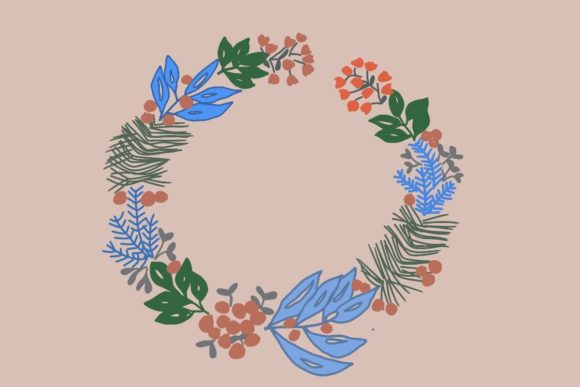
The Timeless Allure of Floral Crowns: From Royal Headpieces to Modern Design Inspiration
There is a certain magic that happens when nature meets human creativity. Nowhere is this more evident than in the floral crown. While most people immediately associate this accessory with bohemian brides, music festival goers, or fairytale princesses, the concept extends far beyond a simple headpiece. The floral crown has evolved into a powerful symbol of celebration, a versatile element in graphic design, and a foundational concept for digital templates used across the globe.
In this comprehensive guide, we will explore the rich history of the floral crown, its practical applications in modern life, and how its aesthetic has been adapted into invitations, cards, and decorative templates. Whether you are an event planner, a designer, or simply someone who appreciates the beauty of flowers, understanding the full scope of this tradition will deepen your appreciation for its enduring significance.
Rooted in History: The Origins and Evolution
To truly understand the floral crown, one must look back through the annals of history. This is not a modern invention but a practice steeped in ancient tradition. In Ancient Greece, crowns made of laurel leaves were worn by victors of the Olympic Games, symbolizing honor and glory. However, the use of fresh blooms specifically dates back even further, where they were often used in religious ceremonies to represent divinity and purity.
During the Victorian era, the language of flowers (floriography) became incredibly popular. A floral crown was not just decoration; it was a message. Different flowers conveyed different sentiments, from love and devotion to mourning and remembrance. Today, while we may not strictly adhere to the Victorian code, the emotional weight remains. Wearing or gifting a floral crown still communicates a sense of special occasion, joy, and connection to the natural world.
Bridal Traditions and Cultural Significance
Perhaps the most recognizable use of the floral crown today is in weddings. For centuries, brides have adorned themselves with greenery and blossoms to symbolize fertility, new beginnings, and the blooming of their relationship. Unlike the structured tiara, a floral crown as a decoration offers a softer, more organic look that complements various wedding themes, from rustic barn weddings to beachside elopements.
However, the significance goes beyond the bride. In many cultures, flower crowns are worn during spring festivals, harvest celebrations, and coming-of-age ceremonies. They serve as a unifying element, bringing communities together in a shared display of beauty and gratitude for nature's bounty.
The Artistic Adaptation: Flowers in Design and Technology
While wearing a physical crown is a tangible experience, the visual language of the floral crown has found a second life in the digital realm. In our increasingly online world, the aesthetic of the floral crown has become a staple in graphic design, particularly for events, marketing, and personal expression.
Designers have realized that the organic curves of vines and the vibrant colors of petals create a perfect frame for text and imagery. This has led to the creation of countless floral crown templates available for download. These templates are essential tools for:
- Event Planners: Creating cohesive branding for weddings and parties.
- Social Media Influencers: Designing story highlights and promotional posts.
- Small Business Owners: Crafting elegant packaging and labels for handmade goods.
The versatility of these designs allows them to be easily customized. A template designed for a summer birthday can be quickly adapted for a corporate anniversary by changing the color palette from bright pastels to deep greens and golds. This adaptability is what makes the floral motif so valuable in modern business and creative industries.
Practical Applications: Invitations, Cards, and Decorations
One of the most common inquiries regarding floral motifs is how they translate from 3D objects to 2D media. When we speak of a floral crown as a decoration on a card or invitation, we are referring to the strategic placement of floral elements to enhance readability and emotional impact.
Invitation Design
An invitation is the first impression a guest receives. A well-designed floral crown invitation sets the tone for the entire event. By framing the date and location within a wreath of roses, eucalyptus, or wildflowers, the designer creates an immediate sense of intimacy and elegance. It suggests that the event inside is just as carefully curated as the cover itself.
For example, a "Save the Date" card might feature a minimalist wireframe of a floral crown with the names of the couple in the center. This style is popular because it is timeless; it does not date quickly like trendy fonts or specific color schemes might.
Digital and Print Cards
Beyond invitations, the floral crown serves as a beautiful border for greeting cards, thank-you notes, and holiday cards. In the digital age, animated floral crowns have also emerged. Imagine a video invitation where flowers gently bloom around the edges of the screen as the video plays. This interactive element adds a layer of engagement that static images cannot achieve.
When selecting a floral crown template for your own projects, consider the following factors:
- Resolution: Ensure the image is high enough quality for print if you plan to mail physical cards.
- Style Consistency: Match the flower types to the season or theme of your event.
- White Space: Leave enough room in the center of the crown for your text to remain legible.
Common Misunderstandings About Floral Crowns
Despite their popularity, there are several misconceptions surrounding floral crowns that often lead to confusion for beginners. Clarifying these points can help you make better decisions, whether you are designing a project or planning an event.
Misconception 1: They are only for weddings.
As mentioned earlier, while bridal usage is dominant, floral crowns are ubiquitous in fashion, theater, photography, and even corporate branding. A tech startup might use a stylized, geometric floral crown logo to represent growth and innovation.
Misconception 2: Fresh flowers last forever.
If you are planning to wear a real floral crown, it is crucial to understand the logistics. Fresh flowers wilt quickly without proper hydration. Many people assume they can put a crown on hours before an event and expect it to stay pristine. In reality, professional florists use techniques like water tubes and preservatives to extend the life of the arrangement, or suggest using high-quality silk flowers for longevity.
Misconception 3: Templates are generic and cheap-looking.
High-quality floral crown templates are works of art in themselves. They are created by professional illustrators who pay attention to the anatomy of each petal and leaf. Using a premium template does not mean your design looks mass-produced; it means you are starting with a solid foundation that you can then personalize.
Integrating Floral Crowns into Modern Life
The relevance of the floral crown in the 21st century lies in its ability to connect us to nature in a fast-paced, digital world. As urbanization continues to grow, people crave symbols of the outdoors. Wearing a floral crown or seeing one in a design provides a psychological break, reminding us of the seasons and the earth.
In the realm of education, teachers use floral crown activities to teach biology, botany, and art. Students learn about plant structures while creating their own wearable art. This hands-on approach fosters creativity and environmental awareness.
Furthermore, the rise of sustainable living has brought a renewed interest in eco-friendly decorations. Biodegradable floral crowns made from dried flowers and natural fibers are becoming a preferred choice over plastic alternatives. This shift reflects a broader societal trend towards sustainability and mindful consumption.
Conclusion: A Lasting Legacy of Beauty
From the ancient fields of Greece to the digital screens of modern designers, the floral crown remains a timeless icon. Its journey from a sacred symbol to a fashionable accessory, and finally to a versatile design element, speaks to its universal appeal. Whether you are crafting a personalized invitation, designing a decorative card, or simply looking to add a touch of nature to your day, the floral crown offers endless possibilities.
By understanding its history, appreciating its artistic adaptations, and utilizing high-quality templates, you can harness the power of this classic motif. It is more than just flowers arranged in a circle; it is a celebration of life, creativity, and the enduring beauty of the natural world. So, the next time you see a floral crown, take a moment to appreciate the depth of meaning and the artistry behind it.