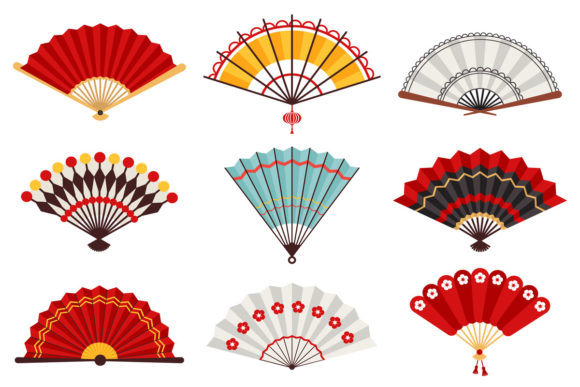
The Art and Utility of Hand Paper Fans: A Guide to Traditional Asian Design
In an era dominated by digital screens and automated climate control, the simple hand paper fan remains a timeless symbol of grace, culture, and practical utility. While often viewed merely as a souvenir or a decorative prop, these elegant tools possess a rich history that spans centuries across Asia. They serve as a bridge between ancient craftsmanship and modern creative expression, offering a tangible connection to traditions that value aesthetics and function in perfect harmony.
This article explores the significance of hand paper fans, their cultural roots, and how they are being reimagined today through digital illustration sets designed for contemporary media projects. Whether you are a graphic designer seeking authentic assets or a hobbyist interested in traditional arts, understanding the nuances of these fans provides a deeper appreciation for their enduring appeal.
Understanding the Essence of the Hand Paper Fan
A hand paper fan is not just a piece of folded paper attached to sticks; it is a masterpiece of engineering and art. Traditionally constructed from rice paper (washi) stretched over a frame of bamboo or wood, these fans are designed to create a gentle breeze when waved. The mechanics are deceptively simple yet highly effective, allowing the user to cool themselves while displaying intricate artwork on the surface.
Historically, these fans were used by emperors, scholars, and dancers alike. In many Asian cultures, the fan was a status symbol. The quality of the paper, the intricacy of the painting, and the type of wood used indicated the owner's social standing. Beyond cooling, fans served as silent communicators. In literature and theater, specific movements could convey emotions ranging from shyness to anger without uttering a single word.
Today, the relevance of the hand paper fan extends beyond its original purpose. It has become a staple in traditional dance performances, where the fluttering motion accentuates the dancer's movements. It is also a central element in tea ceremonies, wedding rituals, and religious festivals. The fan represents balance—the ability to bring comfort (coolness) and beauty (art) together in one object.
The Intersection of Tradition and Modern Digital Media
As we move further into the digital age, the demand for authentic visual assets has grown exponentially. Designers, educators, and content creators often struggle to find high-quality images that capture the true essence of Asian culture without resorting to generic or low-resolution stock photos. This is where specialized illustration sets featuring Asian-themed paper fans become invaluable.
Modern illustration collections are designed to preserve the integrity of traditional designs while making them accessible for digital workflows. These sets typically include vector files (such as EPS10 format) and high-resolution raster images (like 72ppi JPEG previews). This dual-format approach ensures versatility:
- Vector Files (EPS10): These allow designers to scale the fan illustrations to any size without losing quality. Whether you are creating a massive billboard poster or a tiny mobile app icon, the lines remain crisp and the colors vibrant. This scalability is crucial for professional branding and print media.
- Raster Previews (JPEG): High-resolution JPEGs provide a quick way to visualize the final look of the fan within a project layout. At 72ppi, these are optimized for screen display, ensuring that web banners, social media posts, and digital presentations look sharp and engaging.
By utilizing these digital resources, creators can integrate traditional Asian motifs into modern design projects with ease. Imagine a website for a wellness center using a fan illustration to evoke tranquility, or a children's book about history featuring detailed fan graphics to teach cultural heritage. The possibilities are endless when you have the right assets.
Practical Applications in Creativity and Business
The versatility of hand paper fan illustrations makes them suitable for a wide array of industries. Let's explore how these assets fit into various sectors:
- Graphic Design and Branding: Companies looking to establish an "Oriental" or "Zen" aesthetic often use fan imagery to convey elegance and sophistication. A logo incorporating a stylized fan can instantly communicate a brand's commitment to tradition and quality.
- Education and Storytelling: Teachers and authors use these illustrations to make learning about Asian history more interactive. By including accurate depictions of fans in textbooks or e-books, students can better visualize the cultural context of historical events.
- Event Planning and Decor: Event designers utilize fan graphics for invitations, backdrops, and signage for weddings, galas, and cultural festivals. The repetitive patterns found in fan designs add texture and depth to event materials.
- Personal Projects and Hobbies: DIY enthusiasts and crafters use digital fan templates to create physical crafts. They can print the designs onto actual paper, cut them out, and assemble them into real, functional fans, blending digital creativity with tactile art.
Furthermore, these illustration sets often feature a variety of paper fans with different patterns, colors, and shapes. This variety allows users to customize their projects to match specific themes. For instance, a red fan might symbolize good fortune in Chinese culture, while a white fan could represent purity in Japanese aesthetics. Understanding these color codes helps creators avoid cultural missteps and produce respectful, meaningful work.
Clarifying Common Misunderstandings
Despite their popularity, there are several misconceptions surrounding hand paper fans that are important to address. One common assumption is that all Asian fans are identical. In reality, there is a vast diversity in fan types, such as the uchiwa (round rigid fan) and the sensu (folding fan). Each has distinct construction methods and cultural uses.
Another misconception is that paper fans are fragile and unsuitable for serious design work. While traditional paper fans require careful handling, digital representations eliminate this limitation. When used as vector illustrations, they become durable assets that can be manipulated, colored, and combined with other elements without degradation. This flexibility empowers designers to experiment freely.
Additionally, some believe that using Asian-themed designs constitutes cultural appropriation. However, when done with respect and accuracy—such as using high-quality, culturally informed illustration sets—it becomes an act of cultural appreciation. By studying the origins of the designs and using them appropriately, creators honor the heritage rather than exploit it.
How to Choose the Right Assets for Your Project
If you are looking to incorporate hand paper fans into your next project, selecting the right file format is crucial. Here are a few tips to ensure you get the most out of your purchase:
Check the Resolution: Ensure that the preview files (JPEGs) are clear enough to judge the detail level. If you plan to print the final design, verify that the source vector file supports the necessary dimensions.
Verify Compatibility: Most professional design software, such as Adobe Illustrator and Photoshop, works seamlessly with EPS10 files. Before purchasing, confirm that your workflow supports these formats to avoid compatibility issues later.
Consider the Theme: Look for sets that offer a range of styles. Some may feature bold, colorful patterns suitable for festive occasions, while others might have subtle, ink-wash styles better suited for minimalist designs.
By paying attention to these details, you can ensure that your project benefits from the full potential of the illustration set. The goal is to create something that feels authentic and polished, whether it is a corporate presentation or a personal scrapbook.
Embracing the Future of Traditional Arts
The journey of the hand paper fan from ancient courts to modern digital screens is a testament to its enduring legacy. As technology advances, the need to preserve and celebrate traditional arts becomes even more critical. Digital illustration sets serve as a vital tool in this preservation effort, digitizing delicate artworks so they can be shared and appreciated by a global audience.
Whether you are designing a marketing campaign, writing an educational article, or simply exploring your own creativity, the inclusion of hand paper fan illustrations adds a layer of depth and authenticity that is hard to replicate. These fans remind us that even in a fast-paced, digital world, there is still value in slowing down, appreciating the details, and honoring the past.
In conclusion, the Asian-themed paper fan is more than just a cooling device; it is a canvas for art, a symbol of culture, and a versatile tool for modern creators. By leveraging high-quality digital assets like EPS10 vectors and high-res JPEGs, we can keep these beautiful traditions alive and relevant in our daily lives, work, and creative endeavors.