Realistic 3D Feathers: Avoiding Common Pitfalls for Professional Results
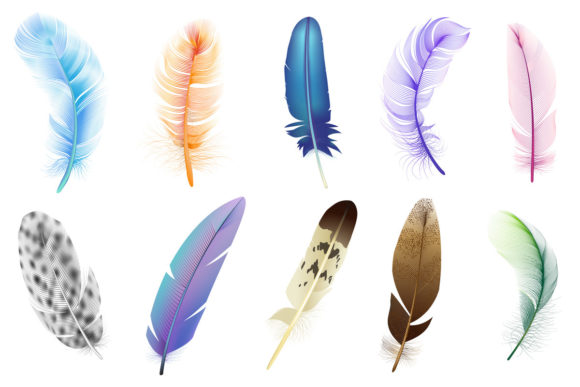
If you are looking to elevate your visual projects with a touch of organic elegance, Realistic 3D Feathers offers a compelling solution. This collection is designed specifically for creators who need high-quality decorative elements that bridge the gap between digital precision and natural beauty. Whether you are designing intricate artwork, marketing materials for a boutique brand, or educational content for students, these assets provide a versatile foundation. However, simply downloading a file does not guarantee success. Many users overlook critical details when selecting 3D assets, leading to frustrating workflows or subpar final outputs.
The core value of this product lies in its ability to integrate seamlessly into various design environments. The collection features vibrant colors and detailed textures that mimic the complexity of real plumage. When used correctly, these feathers can add depth, movement, and a sense of luxury to flat designs. Yet, the difference between a professional-grade project and a amateur-looking one often comes down to understanding the technical specifications before you commit to using them.
Understanding the File Format and Resolution Limits
One of the most frequent mistakes designers make involves ignoring the specific file formats included in a package. In this case, the product contains exactly one EPS10 file and a single 72ppi JPEG preview. While an EPS10 file is excellent for vector-based editing and scalability, it is crucial to understand what that means for your workflow. The EPS format allows you to resize the feathers without losing quality, which is ideal for large-format printing like banners or posters. However, if your project requires raster manipulation, such as heavy pixel-level retouching in Photoshop, relying solely on the EPS file might require conversion steps that alter the original integrity.
Furthermore, the resolution of the preview image is another detail that often gets overlooked. The provided JPEG is set at 72 pixels per inch (ppi). This is standard for web viewing but is insufficient for any print work. A common error is assuming that the low-resolution preview represents the full quality of the asset. It does not. The preview is merely a guide to help you visualize the color palette and shape. If you attempt to use the preview image itself in a printed brochure or a high-definition display, the result will appear pixelated and unprofessional. Always remember that the 72ppi file is for screen reference only; the actual editable vector data is contained within the EPS10 file.
Navigating Color Expectations and Design Context
The description highlights that this is a collection of colorful 3D feathers. While "colorful" sounds appealing, it can also be misleading if you do not check the specific hues available. Beginners often assume that a 3D feather asset will come with fully customizable color palettes out of the box. In reality, unless the software you are using supports live color swapping for vector objects, you may find yourself stuck with the pre-set colors provided in the EPS file.
This limitation can significantly impact your design efficiency. Imagine spending hours creating a layout only to realize the feathers clash with your brand's specific color code because they cannot be easily adjusted. To avoid this frustration, open the EPS file immediately after download to inspect the layers and color groups. Check if the colors are defined as global swatches or simple flat fills. If they are global, changing the master swatch will update all instances of that feather across your document instantly. If they are simple fills, you will have to manually recolor each element, which is time-consuming and prone to inconsistency.
Additionally, consider the context in which you plan to use the feathers. A bright, multicolored feather works beautifully for a children's book illustration or a festival poster. However, the same feather might look jarring on a corporate annual report or a minimalist website header. Before purchasing or downloading, ask yourself if the aesthetic matches the tone of your project. Using a whimsical, colorful asset in a serious, formal context can undermine your message and reduce the perceived credibility of your work.
Evaluating Usability for Your Specific Software
Another area where users often stumble is compatibility. The EPS10 format is widely supported by major vector graphics software like Adobe Illustrator, CorelDRAW, and Affinity Designer. However, if you are working in a web-only environment or using a mobile app that does not support complex vector imports, this asset may be difficult to utilize directly. Some freelancers try to import the EPS file into tools that expect PNG or SVG files, resulting in broken links or missing paths.
To ensure smooth integration, verify your software version before starting. Older versions of some applications might struggle with certain EPS10 features, especially if the file contains advanced transparency effects or complex gradients intended to create the 3D illusion. If you encounter issues, a better approach is to export the necessary parts of the design into a more compatible format, such as an SVG for web use or a high-resolution PDF for print. Do not force a file into a workflow it was not designed for; instead, adapt the workflow to the file's strengths.
Maximizing Value Through Proper Preparation
To get the most out of Realistic 3D Feathers, treat the download as the beginning of a process rather than the end. Start by organizing your workspace. Import the EPS10 file into a new document and lock the background layer. Unlock the feather elements and group them logically. This step might seem tedious, but it prevents accidental deletion or misalignment later in the design process. If you skip this organization phase, you risk spending excessive time untangling a mess of overlapping shapes.
Also, take advantage of the 3D nature of the asset. Since these are rendered as 3D objects, they likely contain shading and lighting information that gives them volume. When placing them in your composition, pay attention to the direction of the light source in your scene. If your other elements are lit from the top left, but the feather appears to be lit from the bottom right, the composition will feel disjointed. You can often adjust the lighting or shadow properties within the vector software to match your scene, ensuring a cohesive look.
Finally, always save multiple versions of your work. Because the source is an EPS10 file, you should keep the original untouched. Create a working copy for your specific project. This practice protects you from accidental corruption and allows you to revert changes if a new idea doesn't work out. By respecting the file structure and planning your usage carefully, you transform a simple download into a powerful tool for creative expression.
In conclusion, while this collection of colorful 3D feathers is a fantastic resource for decorative artwork, success depends on your attention to detail. Avoid the trap of assuming a low-res preview equals high-res output, check your color customization options early, and ensure your software can handle the EPS10 format properly. With these precautions in mind, you can leverage the realistic texture and vibrant appeal of these feathers to create stunning visuals that stand out in any medium.